
Lignin-Based Carbon Fiber: A Sustainable Revolution in Material Science
In an era where environmental concerns are paramount, researchers and industries are constantly seeking sustainable alternatives to traditional materials. One innovation gaining significant attention is lignin-based carbon fiber, a bio-derived material that promises to transform multiple sectors. But what exactly is lignin-based carbon fiber, and why is it considered such a promising sustainable alternative?
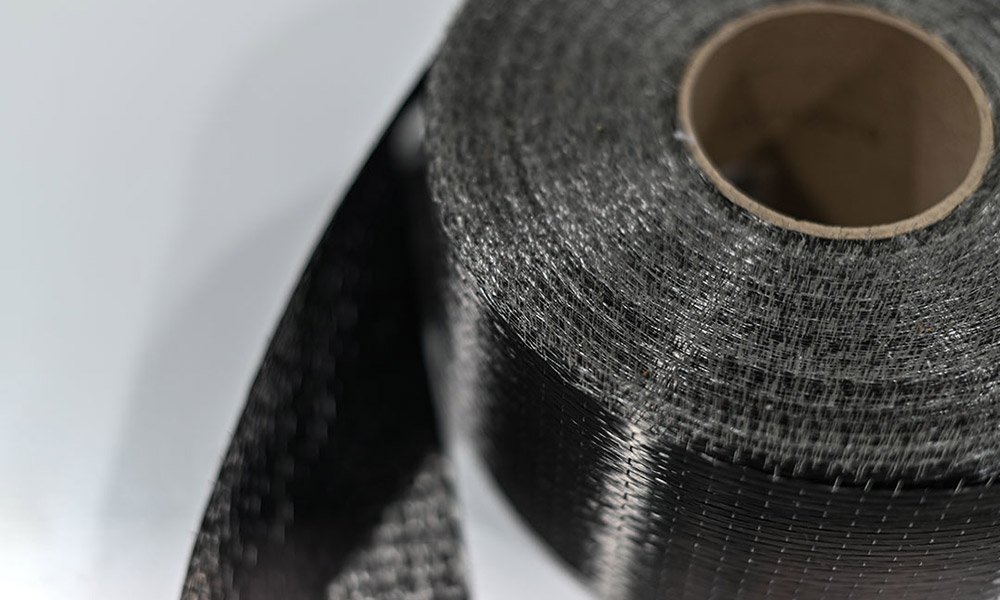
Lignin, a complex organic polymer found in plant cell walls, is the second most abundant natural polymer after cellulose. Traditionally viewed as a byproduct of the paper and biofuel industries, lignin now represents an untapped resource for advanced material production. The conversion of lignin into carbon fiber involves a precise process of thermal stabilization and carbonization, resulting in a material with remarkable strength-to-weight ratios comparable to traditional carbon fiber.
The primary advantage of lignin-based carbon fiber lies in its reduced environmental impact. Unlike conventional carbon fiber, which relies on petroleum-based precursors that contribute significantly to carbon emissions, lignin is derived from renewable biomass sources. This shift not only reduces dependence on fossil fuels but also utilizes waste streams that would otherwise be discarded, promoting a circular economy model.
However, challenges remain in the widespread adoption of lignin-based carbon fiber. The variability in lignin structure depending on its source and extraction method can affect material consistency. Additionally, current production costs are higher than those for traditional carbon fiber, though economies of scale and technological advancements are expected to narrow this gap.
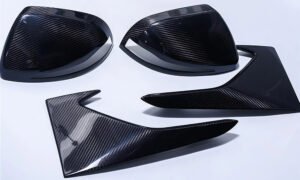
Industrial applications for this sustainable material are expanding rapidly. The automotive industry is exploring lignin-based carbon fiber for lightweight components that improve fuel efficiency without compromising safety. In aerospace, its potential for reducing aircraft weight could translate to significant fuel savings. Even in consumer electronics, this biobased material offers a pathway to more sustainable product designs.
Looking ahead, the future of lignin-based carbon fiber appears promising. As research continues to optimize production processes and enhance material properties, we can expect to see increased commercial adoption. The integration of lignin-based carbon fiber into mainstream manufacturing represents not just an incremental improvement but a fundamental shift toward more sustainable material practices that balance performance with environmental responsibility.





 Spanish
  English
  German
  French
  Portuguese
  Japanese
  Russian
  Italian
  Arabic