
What makes high-modulus carbon fibre (HMCF) such a transformative force in today’s manufacturing landscape? The answer lies in its unrivaled combination of stiffness and strength relative to its weight—a trait that’s redefining what’s possible across industries worldwide. As manufacturers increasingly prioritize lighter, stronger, and more efficient materials to solve tough engineering problems, HMCF has stepped up as the go-to solution.
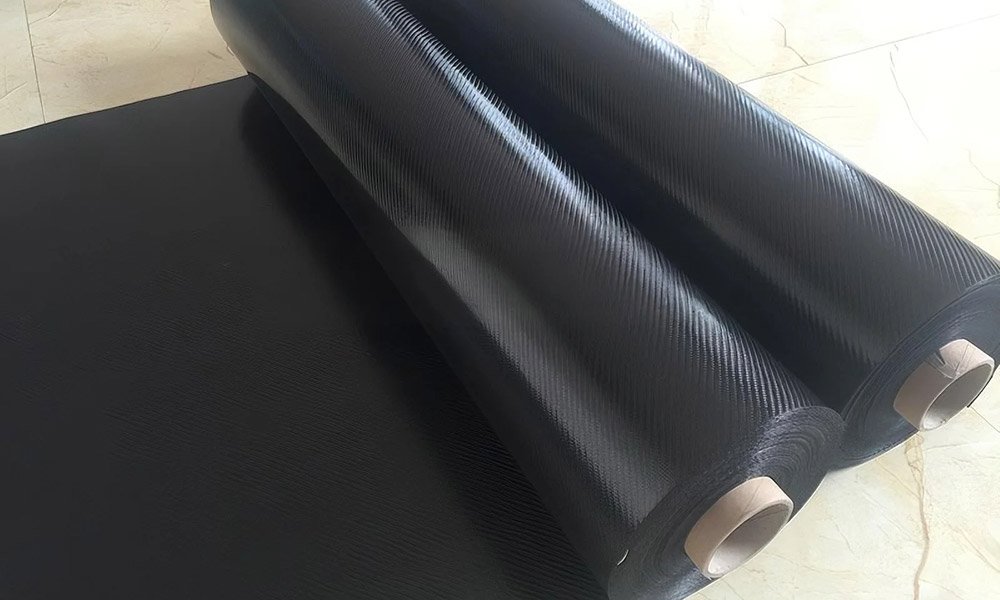
The story of HMCF’s creation is one of precision engineering. Production starts with converting precursor materials—typically polyacrylonitrile (PAN) or pitch—through three critical stages: controlled oxidation, carbonization, and graphitization. The final step unfolds at extreme temperatures, often exceeding 2,000°C, which aligns carbon crystals along the fibre’s axis. The result? A material that can be up to 10 times stiffer than steel, yet weighs only a fraction of its metallic counterpart.
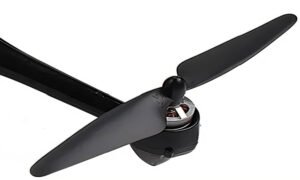
Some of HMCF’s most impactful applications are already reshaping key industries. Aerospace was an early pioneer: manufacturers integrate HMCF into aircraft structures to trim weight without sacrificing safety—an essential priority for fuel efficiency and performance. Automotive companies are quick to follow, especially in electric vehicles (EVs), where HMCF-reinforced frames extend battery range while maintaining top-tier structural integrity. Even renewable energy benefits: wind turbine blades now use HMCF to capture more wind energy at greater heights, boosting overall efficiency.
Knowledge sharing and collaborative research have been key to speeding up HMCF adoption. Partnerships between material scientists and manufacturing engineers have driven innovations in resin systems and production techniques—cutting costs while quality. This cross-disciplinary exchange keeps unlocking new uses: from lightweight, durable medical prosthetics to high-performance sports gear like bicycle frames and golf clubs.
Of course, challenges remain despite these advantages. The high cost of raw materials and complex production processes have slowed its widespread adoption. But progress is underway: as production scales up and recycling technologies improve, these barriers are gradually easing. The future likely holds hybrid composite solutions—blending HMCF with other materials to strike the perfect balance between cost and performance.
Looking ahead, HMCF stands at the forefront of material innovation, set to reimagine how we design and manufacture products across countless sectors. Its continued evolution will no doubt push technological boundaries further, opening doors to possibilities we’re only just beginning to envision.




 Spanish
  English
  German
  French
  Portuguese
  Japanese
  Russian
  Italian
  Arabic