
The Role of Carbon Fiber in Automotive Applications
Carbon fiber automotive parts are components made from carbon fiber composites for use in cars, trucks and other vehicles. They are designed to replace traditional metal parts to reduce weight and improve performance. The automotive industry increasingly adopts these parts to meet stricter fuel efficiency and emission standards.

Principales ventajas
Weight reduction is the primary benefit. Carbon fiber parts are up to 50% lighter than steel parts. This reduces the vehicle’s overall weight, which improves acceleration, braking and handling.
Improved fuel efficiency follows weight reduction. Lighter vehicles require less energy to move, leading to lower fuel consumption and fewer emissions. This helps automakers meet environmental regulations.
These parts also offer excellent durability. They resist corrosion, wear and tear better than many metals. This extends the lifespan of the parts and reduces maintenance costs.
Common Components
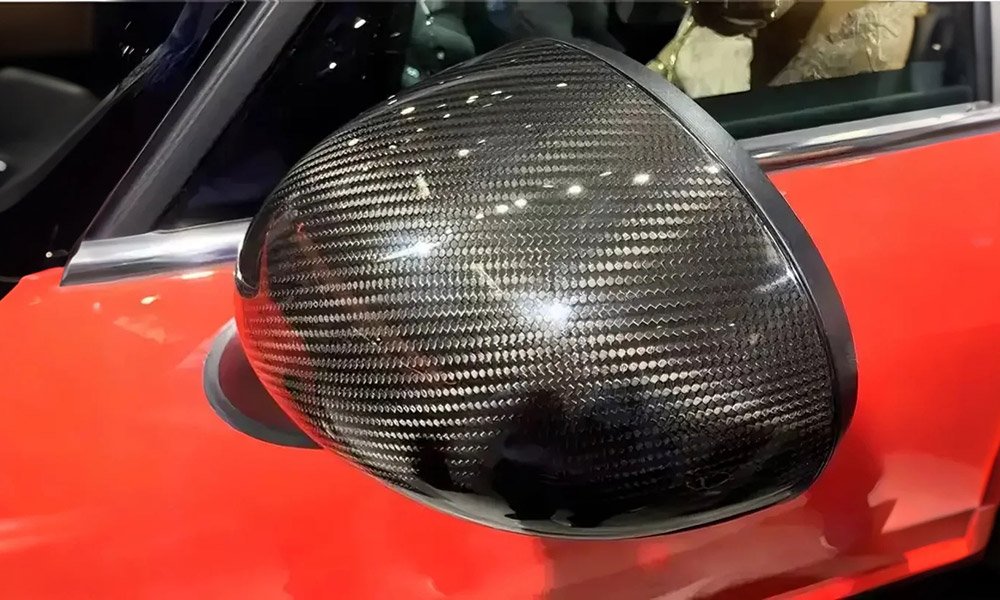
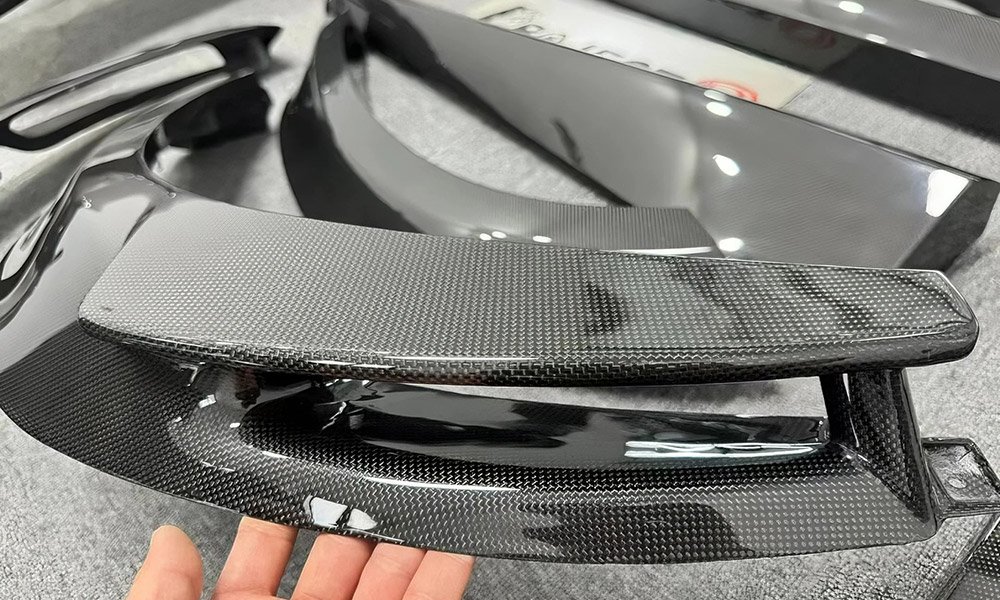
Exterior parts include hoods, fenders, spoilers and bumpers. These parts enhance the vehicle’s aerodynamics and give it a sporty appearance.
Interior components such as steering wheels, seat frames and trim pieces reduce cabin weight while adding a premium look. They also improve comfort by reducing vibration.
Performance parts like drive shafts, suspension components and brake discs improve vehicle dynamics. They provide better handling and responsiveness, especially in high-performance cars.
Selection Considerations
Check compatibility with your vehicle model. Ensure the parts fit correctly and work with existing systems. Ill-fitting parts can cause performance issues or safety hazards.
Evaluate the part’s quality. Look for consistent material composition and proper manufacturing. Poorly made parts may not meet safety standards.
Balance cost and benefit. Carbon fiber parts are more expensive than metal parts. Consider if the performance and fuel efficiency gains justify the investment.


 Spanish
  English
  German
  French
  Portuguese
  Japanese
  Russian
  Italian
  Arabic