
Tubo compuesto de carbono de 20 mm de diámetro exterior y 2 mm de pared: Soluciones estructurales de alto rendimiento para aplicaciones modernas
Are you looking for a lightweight yet durable material to enhance your engineering or automotive projects? Carbon composite tubes, specifically those with a 20 mm outer diameter (OD) and 2 mm wall thickness, are gaining popularity for their exceptional strength-to-weight ratio and versatility. In this article, we’ll explore the benefits of these tubes, answer common questions, and discuss why they are ideal for modern applications.
What Are Carbon Composite Tubes?
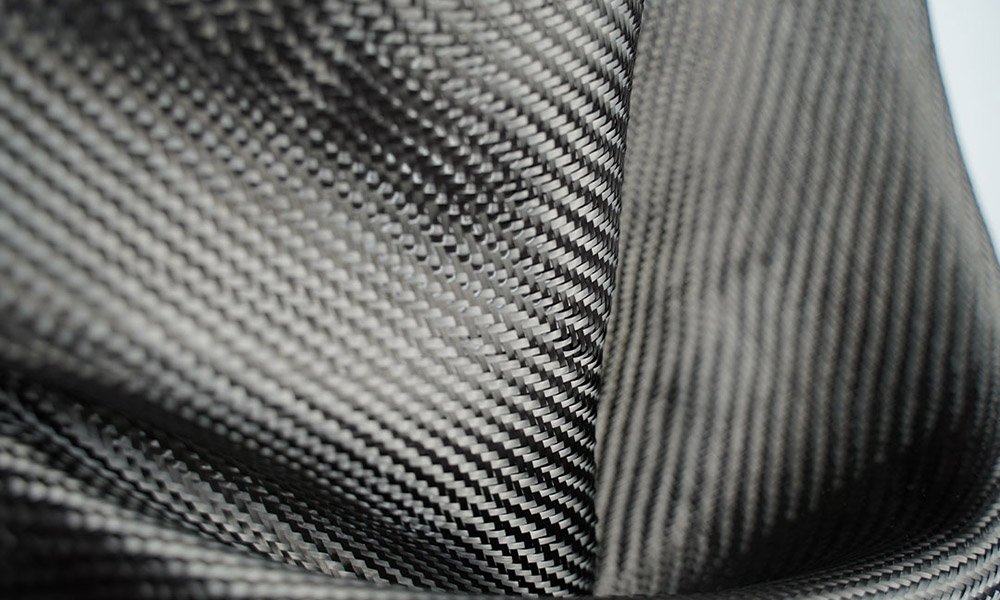
Carbon composite tubes are made from carbon fibers reinforced with a polymer matrix, often epoxy resin. This combination results in a material that is not only strong and stiff but also significantly lighter than traditional metals like aluminum or steel. The 20 mm OD and 2 mm wall thickness make these tubes particularly suitable for applications where space and weight are critical factors.
Key Benefits of Carbon Composite Tubes:
- Alta relación resistencia-peso: Carbon composite tubes provide exceptional strength while being much lighter than metal alternatives, reducing overall load on structures.
- Corrosion Resistance: Unlike metals, carbon composite tubes do not rust or corrode, making them ideal for harsh environments.
- Resistencia a la fatiga: These tubes can withstand repeated stress and bending without degrading, ensuring long-term durability.
- Low Thermal Expansion: Carbon composites expand less when exposed to temperature changes, maintaining precision in applications like aerospace.
- Design Flexibility: Tubes can be molded into various shapes, allowing engineers to optimize their designs.
Common Questions About Carbon Composite Tubes
1. Are Carbon Composite Tubes Expensive?
While the initial cost of carbon composite tubes may be higher than metals, their durability and reduced maintenance costs make them a cost-effective choice in the long run. Additionally, their lightweight nature can lead to fuel savings in transportation applications.
2. How Do Carbon Composite Tubes Compare to Aluminum or Steel?
In terms of strength, carbon composite tubes outperform aluminum and steel by weight. For example, a 20 mm OD, 2 mm wall carbon composite tube can provide the same strength as a much thicker metal tube, but with significantly less weight. This makes them preferable for applications where weight reduction is essential, such as in racing cars, bicycles, and aircraft.
3. Can Carbon Composite Tubes Be Soldered or Welded?
Unlike metals, carbon composite tubes cannot be soldered or welded. However, they can be joined using techniques like resin transfer molding (RTM), vacuum-assisted resin transfer molding (VARTM), or mechanical fastening with adhesives. These methods ensure a strong and reliable bond without compromising the tube’s integrity.
4. What Industries Use Carbon Composite Tubes?
Carbon composite tubes are used in a variety of industries, including:
- Aeroespacial: For airframe components, landing gear, and fuel tanks.
- Automotive: For suspension systems, chassis frames, and body panels.
- Sports and Recreation: In bicycles, skateboards, and high-performance watercraft.
- Renewable Energy: For wind turbine blades and solar panel mounts.
- Industrial Machinery: For robotics and heavy equipment components.
Why Choose Carbon Composite Tubes for Modern Applications?
In today’s technological landscape, efficiency, durability, and sustainability are paramount. Carbon composite tubes meet these demands by offering:
- Lightweight Design: Reduces energy consumption in transportation.
- Environmental Resistance: Ideal for outdoor and corrosive environments.
- Customizable Properties: Tailored to specific application needs.
- Reduced Maintenance: Lower lifecycle costs compared to traditional materials.
Share Your Experience with Carbon Composite Tubes
If you’ve used carbon composite tubes in your projects, we’d love to hear about your experience! Have you noticed improvements in performance or weight reduction? Share your insights in the comments below and help others discover the benefits of this innovative material.
In conclusion, carbon composite tubes with a 20 mm OD and 2 mm wall thickness are a game-changer for modern engineering and design. Their combination of strength, lightweight properties, and corrosion resistance makes them an excellent choice for applications where performance and durability are non-negotiable. Whether you’re in aerospace, automotive, or sports, these tubes offer a reliable and efficient solution for the challenges of today’s technological advancements.


 Spanish
  English
  German
  French
  Portuguese
  Japanese
  Russian
  Italian
  Arabic