
Is Carbon Fiber Stronger Than Titanium Alloy?
When it comes to choosing the right material for high-performance applications, engineers and designers often face a critical decision: should they opt for carbon fiber or titanium alloy? Both materials are renowned for their exceptional properties, but understanding their strengths and weaknesses is essential for making an informed choice. In this article, we’ll explore the key differences between carbon fiber and titanium alloy, addressing common questions and providing valuable insights.
What Are the Primary Differences Between Carbon Fiber and Titanium Alloy?
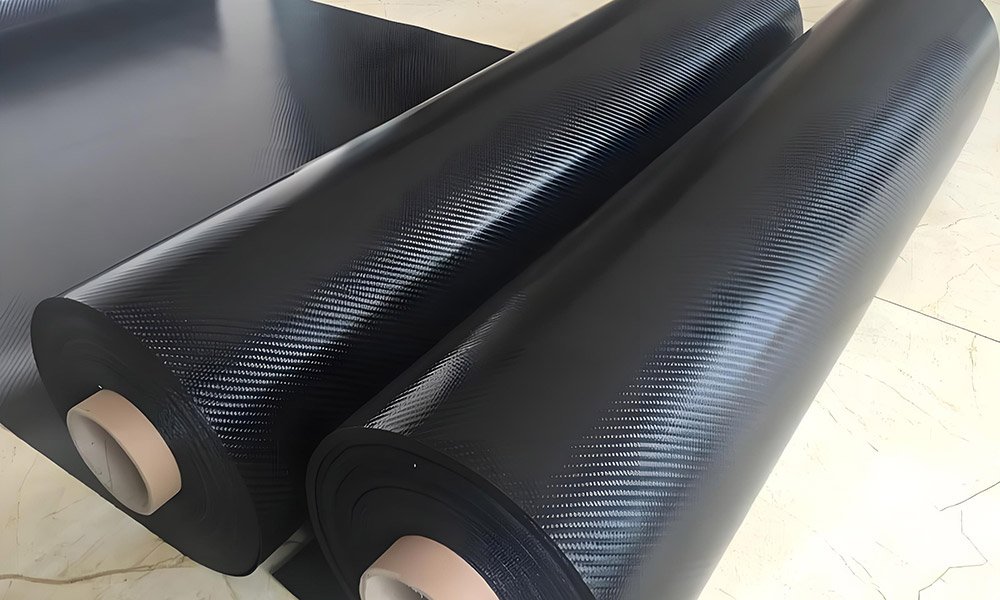
Carbon fiber and titanium alloy are both advanced materials used in industries ranging from aerospace to automotive and sports equipment. But what sets them apart?
Fibra de carbono is a lightweight, strong, and rigid material made from thin fibers of carbon. These fibers are typically embedded in a polymer matrix, which enhances their strength and durability. The result is a material that is incredibly strong for its weight but relatively brittle.
Titanium Alloy, on the other hand, is a metallic material known for its high strength, low density, and excellent corrosion resistance. It is a popular choice in applications where weight savings are critical, such as in aircraft and medical implants.
Strength Comparison: Carbon Fiber vs. Titanium Alloy
One of the most common questions is: Is carbon fiber stronger than titanium alloy? The answer isn’t straightforward because “strength” can be defined in several ways.
Tensile Strength: Carbon fiber typically has a higher tensile strength-to-weight ratio than titanium alloy. This means that for the same weight, carbon fiber can withstand more tension before breaking. For example, carbon fiber can have a tensile strength of around 1,500 MPa, while titanium alloy usually ranges from 800 to 1,200 MPa.
Impact Resistance: Titanium alloy is generally more impact-resistant than carbon fiber. Carbon fiber, while strong, can be brittle and may crack under sudden, heavy impact. Titanium’s toughness makes it a better choice for applications where impact resistance is crucial.
Resistencia a la fatiga: Titanium alloy also excels in fatigue resistance, making it ideal for components that undergo repeated stress. Carbon fiber, while strong, can degrade over time under constant stress.
Applications: Where Do Carbon Fiber and Titanium Alloy Excel?
Understanding where each material excels helps in making the right choice for specific applications.
Fibra de carbono: Due to its lightweight and high-strength properties, carbon fiber is ideal for:
– Aeroespacial: Aircraft components, reducing weight and improving fuel efficiency.
– Automoción: High-performance cars, where weight savings lead to better performance.
– Equipamiento deportivo: Bicycles, golf clubs, and fishing rods, where lightweight and strength are paramount.
Titanium Alloy: Titanium’s durability and corrosion resistance make it suitable for:
– Medical Implants: Hip replacements, dental implants, due to its biocompatibility.
– Aeroespacial: Engine components, where high temperatures and stress are common.
– Marine Applications: Ship propellers and fittings, thanks to its resistance to saltwater corrosion.
Cost and Manufacturing Considerations
Another critical factor is the cost and manufacturing process of each material. Carbon fiber composites are generally more expensive to produce and require specialized equipment for layup and curing. Titanium alloy, while also costly, can often be formed using more conventional metalworking techniques, making it more accessible for certain applications.
Conclusion: Making the Right Choice
So, is carbon fiber stronger than titanium alloy? The answer depends on the specific requirements of the application. Carbon fiber offers superior strength-to-weight ratios, making it ideal for applications where weight savings are critical. Titanium alloy, with its excellent impact resistance and fatigue strength, is better suited for environments where durability and corrosion resistance are paramount.
Ultimately, the choice between carbon fiber and titanium alloy comes down to balancing these properties with cost and manufacturing constraints. For those in the aerospace and automotive industries, both materials have their place, and often, engineers will use a combination of both to achieve the best results.
If you found this information helpful, feel free to share it with your peers who might be facing similar material selection challenges. Understanding the strengths and weaknesses of advanced materials like carbon fiber and titanium alloy is crucial for innovation and performance in today’s engineering landscape.


 Spanish
  English
  German
  French
  Portuguese
  Japanese
  Russian
  Italian
  Arabic