Understanding High-Strain Carbon Fiber Elongation 2.0% and Its Impact on Modern Engineering
High-strain carbon fiber elongation, particularly the 2.0% threshold, has become a topic of significant interest in modern engineering. This unique property of carbon fibers allows them to stretch significantly without breaking, making them ideal for various advanced applications. But what exactly is high-strain carbon fiber elongation, and how does it impact modern engineering? Let’s delve into these questions and explore the implications.
Was ist die Dehnung von Kohlenstofffasern bei hoher Beanspruchung?
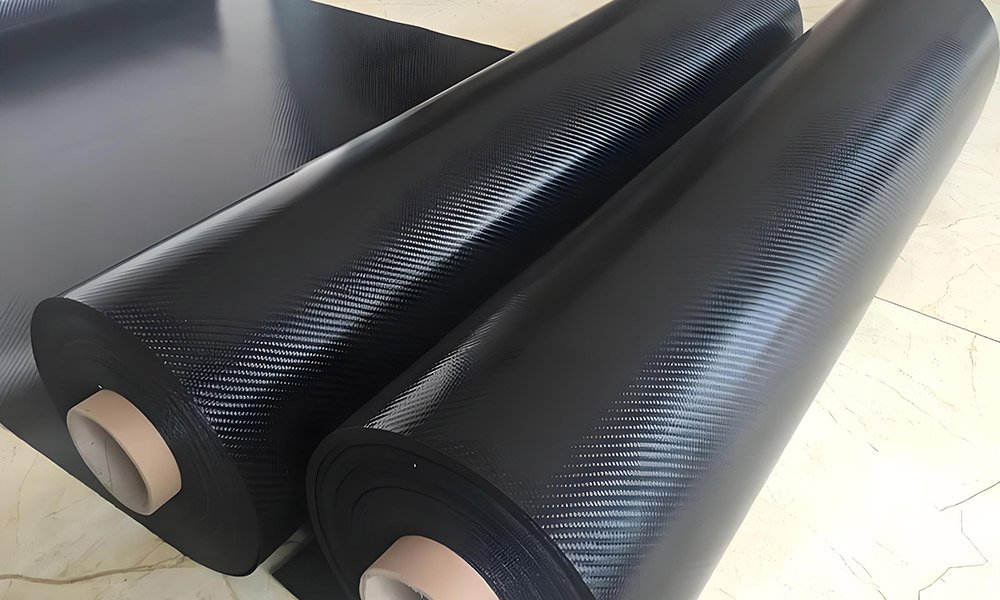
High-strain carbon fiber elongation refers to the ability of carbon fibers to elongate up to 2.0% of their original length before fracturing. This is a remarkable characteristic compared to traditional materials like steel, which typically elongate only 0.2%. The high elongation property of carbon fibers is due to their unique molecular structure and the way they bond under stress.
But why is this property so significant? The answer lies in the versatility and performance advantages it offers. High-strain carbon fibers can absorb more energy before failing, making them ideal for applications where impact resistance and flexibility are crucial.
Applications in Modern Engineering
The 2.0% elongation capability of carbon fibers opens up a world of possibilities in modern engineering. One of the most notable applications is in the aerospace industry. Aircraft components made with high-strain carbon fibers can withstand extreme stress and vibrations, leading to safer and more durable aircraft designs.
In the automotive sector, high-strain carbon fibers are used to enhance vehicle performance and safety. For instance, they can be used in the construction of body panels and structural components, reducing weight while maintaining strength. This leads to better fuel efficiency and overall performance.
Another area where high-strain carbon fibers make a significant impact is in civil engineering. Structures like bridges and buildings can benefit from the increased durability and flexibility offered by these fibers. They can withstand higher loads and resist environmental factors better, leading to longer-lasting infrastructure.
Herausforderungen und Überlegungen
Despite the numerous benefits, there are challenges associated with high-strain carbon fibers. One of the primary concerns is cost. Carbon fibers are generally more expensive than traditional materials, which can make them less feasible for some applications. Additionally, the manufacturing process for high-strain carbon fibers is complex and requires specialized equipment.
Another consideration is the environmental impact. The production of carbon fibers involves energy-intensive processes and the use of chemicals, which can have a significant carbon footprint. However, researchers are continuously working on more sustainable production methods to address this issue.
Einblicke und Wissen teilen
Understanding high-strain carbon fiber elongation is not just beneficial for engineers and manufacturers; it is also valuable for anyone interested in the future of materials science. By sharing insights and knowledge about these advanced materials, we can foster innovation and development across various industries.
For instance, educators and researchers can use this information to develop new teaching materials and research projects. Industry professionals can leverage this knowledge to create cutting-edge products and solutions. By fostering a culture of sharing and collaboration, we can accelerate the adoption of high-strain carbon fibers in modern engineering.
Schlussfolgerung
High-strain carbon fiber elongation, particularly the 2.0% threshold, is a game-changer in modern engineering. Its unique properties offer significant advantages in terms of strength, flexibility, and energy absorption, making it ideal for applications in aerospace, automotive, and civil engineering. While there are challenges to overcome, the potential benefits make high-strain carbon fibers a material of choice for the future. By sharing knowledge and insights, we can harness the full potential of these advanced materials and drive innovation across industries.