
Verbesserte Leistung: Untersuchung der thermischen Stabilität von Satellitenbuspanels aus Kohlenstofffasern
In the rapidly evolving field of space exploration, satellite performance is paramount. One critical aspect that often goes unnoticed is the thermal stability of satellite bus panels. These panels, often made from traditional materials, can face significant challenges when exposed to the extreme temperatures of space. Enter carbon fibre, a material that promises to revolutionize satellite design by enhancing thermal stability. But what questions arise as we delve into this topic?
What Makes Carbon Fibre Ideal for Satellite Bus Panels?
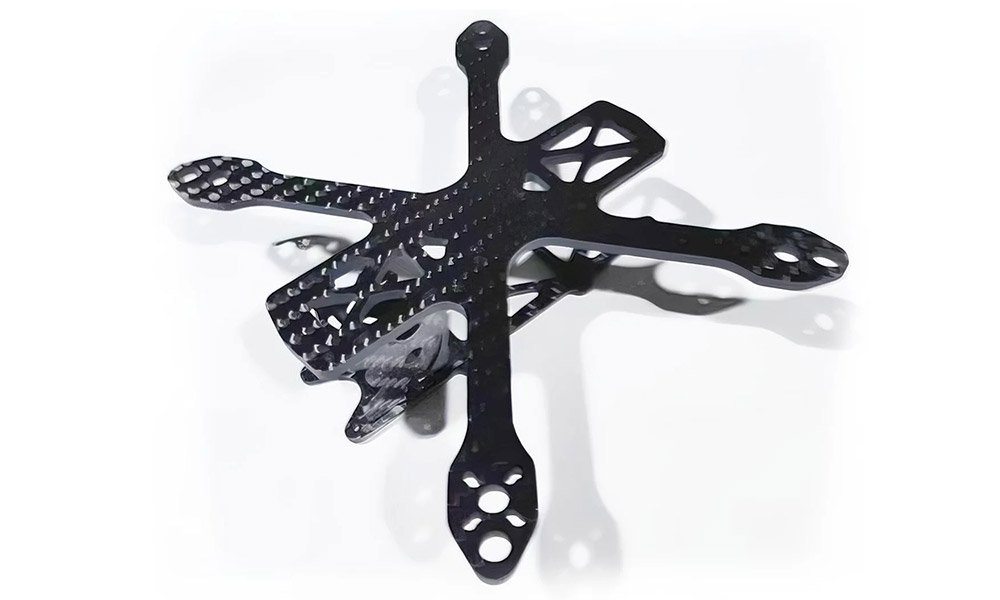
Carbon fibre is renowned for its lightweight yet strong properties, making it an attractive material for various aerospace applications. However, its true potential in enhancing thermal stability is what sets it apart. Traditional materials used in satellite bus panels can expand or contract significantly under temperature variations, leading to potential structural failures. Carbon fibre, on the other hand, exhibits minimal thermal expansion, ensuring that satellite components maintain their integrity over long durations in space.
But how does carbon fibre achieve this? The answer lies in its molecular structure. Carbon atoms are arranged in a hexagonal lattice, similar to a honeycomb. This unique arrangement allows the material to withstand extreme temperatures without degrading, a crucial factor for satellites that endure the harsh conditions of space.
What Are the Challenges of Implementing Carbon Fibre?
Despite its advantages, integrating carbon fibre into satellite bus panels is not without challenges. One primary concern is the cost. Carbon fibre manufacturing processes are complex and expensive, which can be a significant barrier for many space agencies and private companies. Additionally, the material’s lack of conductivity can pose electrical challenges, requiring innovative solutions to ensure proper signal transmission.
Another issue is the material’s environmental resistance. While carbon fibre is durable, it can be susceptible to UV radiation and micrometeoroid impacts. These factors necessitate rigorous testing and potential coatings to enhance its longevity in space.
How Does Thermal Stability Impact Satellite Performance?
Thermal stability is a critical factor in satellite performance. Components that expand or contract excessively can lead to misalignment, reduced efficiency, and even complete failure. By using carbon fibre, satellites can maintain consistent performance across a wide range of temperatures, ensuring reliable data transmission and extended operational life.
For instance, a satellite equipped with carbon fibre panels can better withstand the extreme heat of the sun and the frigid cold of deep space, maintaining optimal functionality throughout its mission. This reliability is essential for applications such as Earth observation, communication, and scientific research.
What Solutions Are Being Developed to Overcome Challenges?
Researchers and engineers are actively working on solutions to address the challenges associated with carbon fibre. One approach is the development of more cost-effective manufacturing techniques, such as automated layup processes, which can reduce production costs significantly. Another solution is the integration of conductive fibers into the carbon fibre composite to maintain electrical conductivity without compromising thermal stability.
Furthermore, advancements in protective coatings are being explored to enhance the material’s resistance to environmental factors. These coatings can shield the panels from UV radiation and micrometeoroid impacts, ensuring long-term durability.
Austausch von Erkenntnissen und bewährten Praktiken
The adoption of carbon fibre in satellite bus panels is not just a technological advancement; it’s a paradigm shift in how we approach space exploration. By sharing insights and best practices, the industry can accelerate the development and implementation of these innovative materials. Collaboration between academic institutions, private companies, and space agencies is essential to overcome challenges and maximize the potential of carbon fibre.
For example, sharing data on thermal performance, manufacturing processes, and protective coatings can help researchers identify areas for improvement and innovation. Additionally, open-source platforms can facilitate the exchange of knowledge and foster a community dedicated to advancing space technology.
Schlussfolgerung
Enhancing the thermal stability of satellite bus panels is crucial for improving satellite performance and extending their operational life. Carbon fibre offers a promising solution, providing the strength, lightweight properties, and thermal resistance needed to withstand the extreme conditions of space. While challenges remain, ongoing research and development efforts are paving the way for more cost-effective and reliable satellite designs. By sharing insights and collaborating, the industry can harness the full potential of carbon fibre, revolutionizing space exploration and opening new frontiers in scientific research and communication.






 German
  English
  French
  Portuguese
  Japanese
  Russian
  Italian
  Spanish
  Arabic