
Carbon Fibre Radiolucent Orthopedic Operating Table: Enhancing Surgical Precision and Patient Care
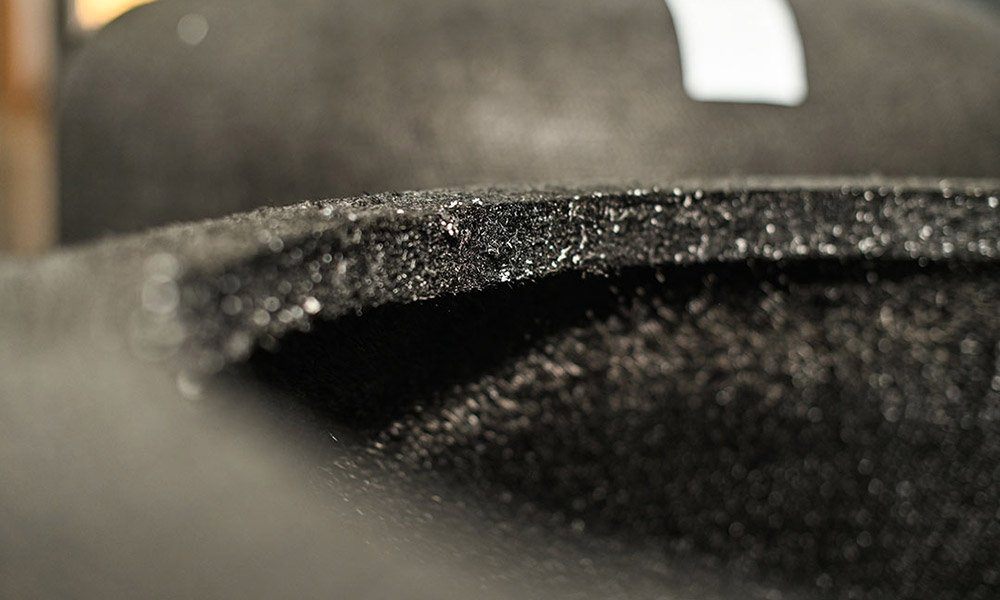
Surgical precision and patient safety are paramount in modern healthcare, especially in orthopedic procedures that require advanced imaging guidance. Among the innovations transforming the operating room, the carbon fibre radiolucent orthopedic operating table stands out as a game-changer. But what exactly makes this table a superior choice for surgeons? How does it enhance both surgical accuracy and patient care? Let’s explore these questions in detail.
What Makes a Radiolucent Operating Table Essential in Orthopedics?
Orthopedic surgeries often involve imaging techniques like fluoroscopy, CT scans, or MRI to guide procedures accurately. Traditional operating tables block these imaging rays, forcing surgeons to move patients or adjust equipment, which can disrupt the surgical flow. A radiolucent table, however, is designed to be X-ray transparent, allowing real-time imaging without obstruction. The addition of carbon fibre further elevates its performance by offering:
– Lightweight yet robust construction – Reducing fatigue for surgical teams.
– Enhanced durability – Withstanding the rigors of frequent use in high-stress environments.
– Improved maneuverability – Easier setup and repositioning during complex procedures.
How Does Carbon Fibre Improve Surgical Precision?
Precision is critical in orthopedics, where millimeter-level accuracy can determine postoperative outcomes. The carbon fibre radiolucent operating table addresses this need through several key features:
- Stable Imaging Support – The table’s design ensures that imaging equipment remains precisely aligned, minimizing movement during procedures.
- Patient Weight Distribution – Carbon fibre’s strength allows for even weight distribution, reducing pressure points and enhancing patient comfort.
- Real-Time Visualization – Surgeons can view imaging directly beneath the patient, streamlining decision-making without delays.
What Are the Benefits for Patient Care?
Beyond surgical precision, this advanced table significantly improves patient care:
- Reduced Exposure to Radiation – For both patients and medical staff, as the table allows for targeted imaging.
- Faster Procedures – Less downtime due to repositioning, leading to quicker recovery times.
- Lower Risk of Complications – Enhanced visualization minimizes errors, improving long-term outcomes.
Antworten auf allgemeine Fragen
Surgeons and hospitals often have specific concerns about adopting new technology:
Q: Is the table cost-prohibitive?
A: While initial investment may be higher, the long-term benefits—reduced procedure times, fewer complications, and lower maintenance costs—often justify the expense.
Q: How does it compare to traditional tables?
A: Unlike conventional tables, the carbon fibre radiolucent orthopedic operating table offers unmatched imaging compatibility without sacrificing stability or durability.
Sharing the Advancement in Orthopedic Surgery
Healthcare professionals who adopt this technology often report transformative results. For instance, orthopedic clinics using carbon fibre tables have noted improved efficiency in spinal fusion surgeries, faster joint replacement procedures, and better patient satisfaction. If you’re part of a surgical team or hospital administration, discussing this innovation with your procurement department could lead to significant improvements in your practice.
Schlussfolgerung
Die carbon fibre radiolucent orthopedic operating table represents a leap forward in surgical technology, combining precision, durability, and patient-centric design. By addressing the limitations of traditional tables, it empowers surgeons to perform complex procedures with greater confidence and efficiency. As orthopedic care evolves, this innovation will undoubtedly play a pivotal role in shaping the future of surgical excellence.
For more insights on how this technology can benefit your practice, feel free to share this article with your colleagues or explore recent studies on radiolucent operating systems. The future of surgery is here, and it’s lighter, stronger, and more precise than ever before.





 German
  English
  French
  Portuguese
  Japanese
  Russian
  Italian
  Spanish
  Arabic