
Fesseldrohnen-Stromkabel aus Kohlenstofffasern in großer Höhe: Die Zukunft der Energieübertragung aus der Luft
The evolution of renewable energy technologies has brought about a revolutionary concept in power transmission: the carbon fibre high-altitude tethered drone power cable. This innovative solution promises to redefine how we harness and distribute energy, addressing some of the most pressing challenges in the energy sector. But what exactly is this technology, and how could it transform our approach to aerial power transmission?
What Is a High-Altitude Tethered Drone Power Cable?
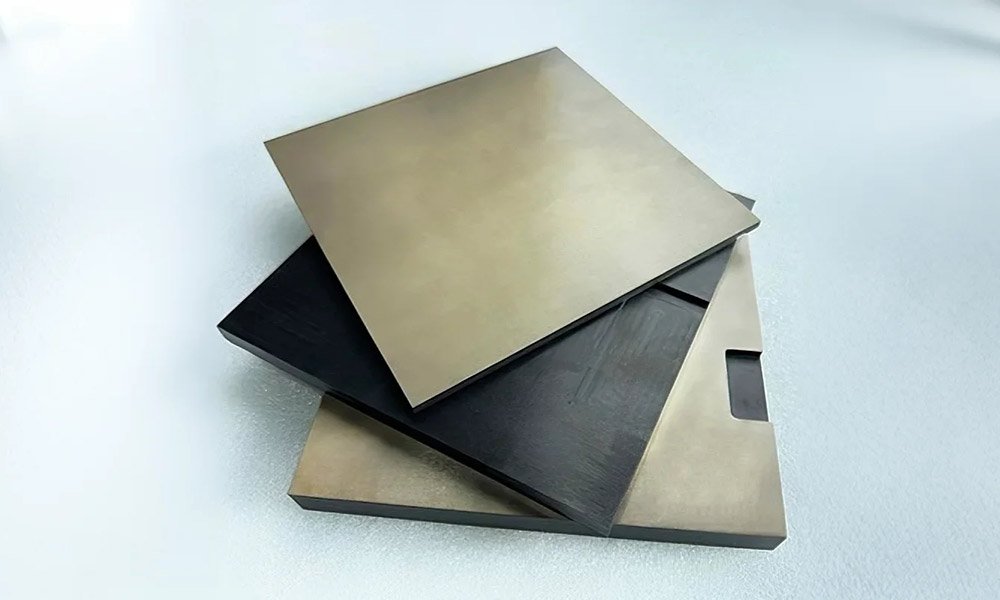
High-altitude tethered drones, also known as HAT drones, are aircraft that remain stationary in the sky by means of tethers connected to the ground. These tethers not only provide the drone with power but also serve as conduits for transmitting electricity. The use of carbon fibre in the construction of these cables is particularly significant, as it offers a lightweight yet strong alternative to traditional materials, reducing the load on the drone and enhancing its endurance.
But how does this technology address the current limitations of power transmission? Traditional power lines face numerous challenges, including geographical constraints, environmental impact, and the need for extensive land use. High-altitude tethered drones offer a solution by transmitting power through the air, bypassing many of these issues.
Potential Questions and Challenges
One of the primary questions surrounding this technology is its feasibility and scalability. Can these drones truly provide a reliable and continuous power supply? Another critical concern is the durability of the carbon fibre cables. How do they withstand extreme weather conditions, such as high winds and storms? Additionally, the cost of implementing such a system is a significant factor. Is it economically viable compared to traditional power transmission methods?
Reliability and Performance
Reliability is paramount in any power transmission system. High-altitude tethered drones must operate continuously without failure. The drones are equipped with solar panels that can generate power during the day, and the carbon fibre cables ensure efficient energy transmission. However, the system’s performance in varying weather conditions remains a key area of study. Engineers are working on advanced materials and design modifications to enhance durability and resilience.
Economic Viability
The cost of deploying high-altitude tethered drones is a critical consideration. The initial investment in technology and infrastructure can be substantial. However, the long-term benefits, such as reduced land use and lower environmental impact, could make it a cost-effective solution. Studies suggest that the economic viability improves when the technology is used in remote or hard-to-reach areas where traditional power lines are impractical.
The Future of Aerial Power Transmission
The potential applications of high-altitude tethered drone power cables are vast. They can be used to power remote communities, provide electricity to disaster-stricken areas, and even support large-scale industrial operations. The technology has the potential to revolutionize how we think about energy distribution, making it more efficient, sustainable, and accessible.
Einblicke und Wissen teilen
As the world moves towards renewable energy sources, sharing insights and knowledge about innovative technologies like high-altitude tethered drones becomes crucial. Industry experts, researchers, and policymakers must collaborate to address challenges and optimize the technology. By sharing best practices and lessons learned, we can accelerate the adoption of this groundbreaking solution.
In conclusion, the carbon fibre high-altitude tethered drone power cable represents a significant leap forward in aerial power transmission. While challenges remain, the potential benefits make it a promising solution for the future. As we continue to explore and refine this technology, we move closer to a more sustainable and efficient energy landscape.
By understanding the questions and challenges associated with this technology, we can better appreciate its potential to transform the energy sector. Whether you are an industry professional, a researcher, or simply interested in the future of energy, the high-altitude tethered drone power cable is a concept worth exploring and supporting.




 German
  English
  French
  Portuguese
  Japanese
  Russian
  Italian
  Spanish
  Arabic