
Understanding Carbon-Fiberglass Hybrid Fabric
Carbon-fiberglass hybrid fabric combines carbon fibers and fiberglass in a woven material. This design merges carbon’s exceptional strength-to-weight ratio with fiberglass’s cost-effectiveness. It offers a practical balance of performance and affordability.
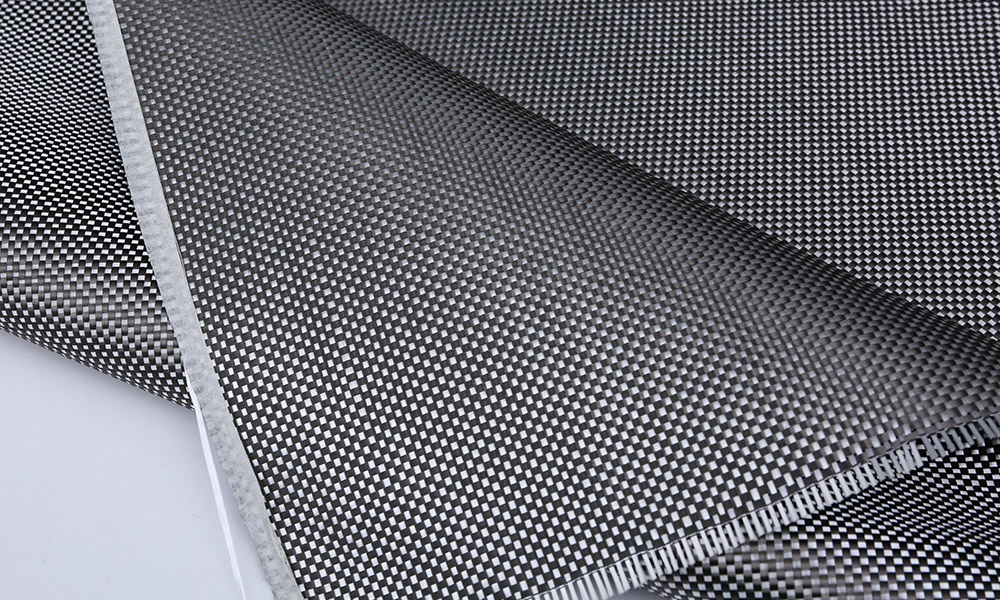
Core Properties
Cost efficiency is its main advantage. Fiberglass costs significantly less than carbon fiber. The hybrid design reduces material costs while maintaining good strength.
Balanced strength and weight meet many application needs. Carbon fibers provide high tensile strength. Fiberglass adds bulk strength and stiffness at a lower cost.
It offers good corrosion resistance. Both fiber types resist rust and chemical degradation. This makes it suitable for outdoor and marine applications.
Applications
Marine applications include boat hulls, decks and components. It provides strength and corrosion resistance at a lower cost than pure carbon fiber.
Automotive aftermarket parts use it for body kits and spoilers. It offers a sporty look and improved performance at an affordable price.
Industrial equipment uses it for covers and structural components. It provides reliable strength and durability in harsh environments.
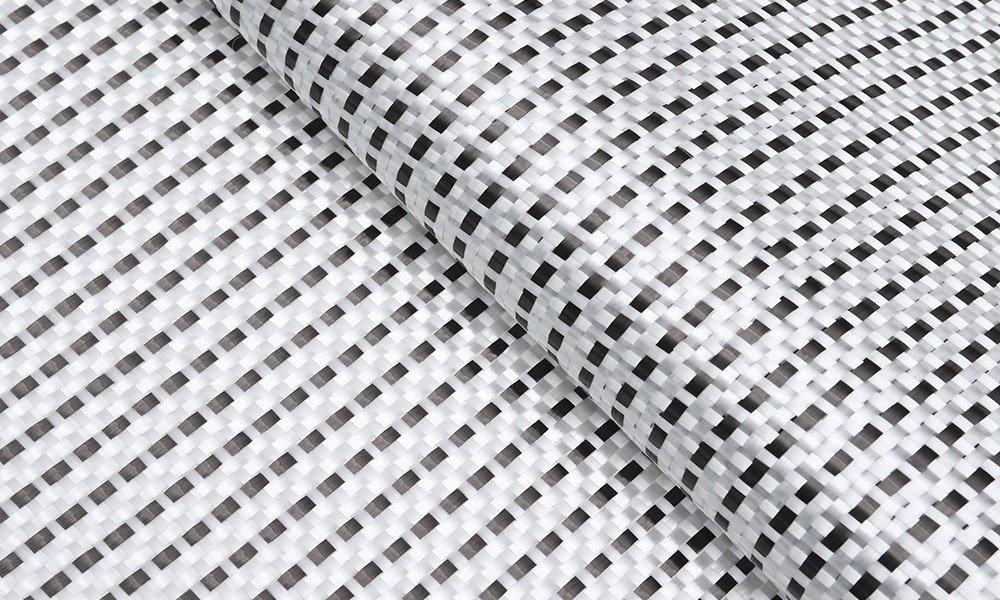
Selection Factors
Select fiber ratio based on performance needs. Higher carbon content for maximum strength-to-weight ratio. Higher fiberglass content for lower cost.
Check compatibility with resin systems. Ensure the fabric works with your chosen resin. Proper wetting and bonding are critical for composite strength.
Evaluate environmental conditions. Consider exposure to water, chemicals or UV radiation. Choose appropriate resin and fabric treatments if needed.
Interested in our Carbon Fibre? Reach out anytime via WhatsApp: 8618921275456 oder email: sales@sino-grate.com. We eagerly await your contact!







 German
  English
  French
  Portuguese
  Japanese
  Russian
  Italian
  Spanish
  Arabic