
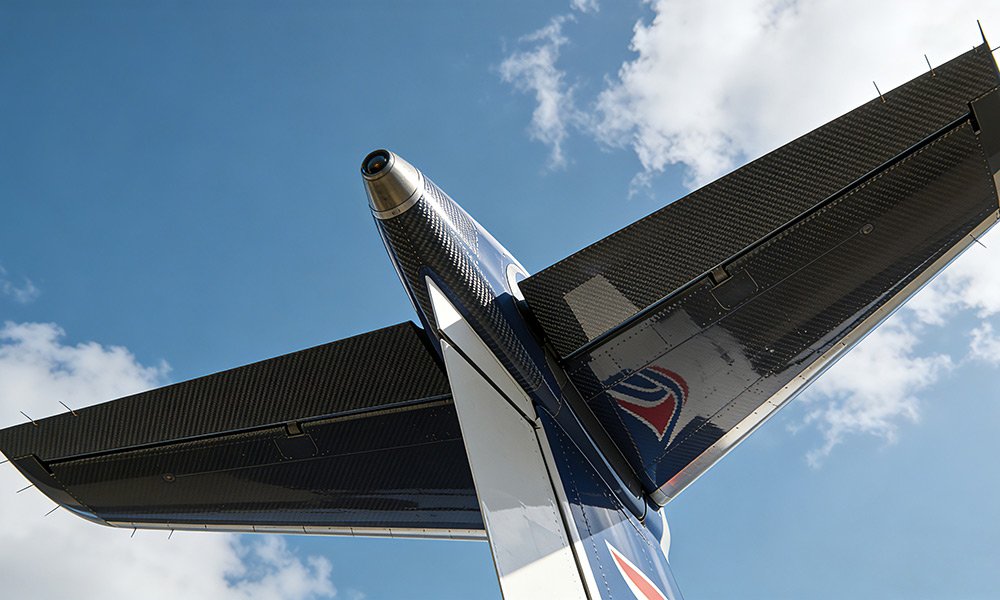
Modern wide-body jets rely on advanced materials for better performance. One key material stands out for changing how these planes are built. This material is carbon fiber, and it has become essential for today’s large commercial planes.
A Lighter Alternative to Traditional Materials
Traditional plane bodies use heavy metals like aluminum. Carbon fiber, however, is much lighter than these metals. A lighter body means the plane uses less energy to fly. This difference alone makes carbon fiber a smart choice for manufacturers.
Saving Fuel Without Losing Strength
Fuel costs are a big expense for any flight operation. Carbon fiber helps cut these costs significantly. Even though it is light, it is just as strong as metal. Planes can carry the same load while using less fuel each trip.
Less Wear and Tear Over Time
Planes face harsh conditions during every flight. They deal with extreme temperatures and pressure changes. Carbon fiber resists these conditions better than traditional metals. It does not rust or corrode, which reduces maintenance needs.
More Flexibility in Design
Metal bodies have limits on how they can be shaped. Carbon fiber, on the other hand, is easier to mold. This flexibility lets designers create smoother, more aerodynamic plane bodies. Smoother designs reduce drag and improve overall efficiency.
A Quieter Ride for Passengers
Passenger comfort is a top priority for plane makers. Carbon fiber absorbs more noise than metal. This means the cabin is quieter during flight. Travelers can relax more without the loud hum of engine noise.
Long-Term Benefits for Airlines
Using carbon fiber may cost more upfront for manufacturers. Over time, though, it saves airlines money. Lower fuel and maintenance costs add up quickly. This makes carbon fiber a cost-effective choice in the long run.
Carbon fiber has transformed how large jets are built. It offers a mix of benefits that traditional materials cannot match. From saving fuel to improving comfort, it checks all the boxes for modern air travel. As technology advances, it will likely remain the material of choice for wide-body planes.


 German
  English
  French
  Portuguese
  Japanese
  Russian
  Italian
  Spanish
  Arabic