
Jacquard fabric is a sophisticated textile known for its intricate patterns and designs, created through a specialized weaving process that allows for precise control over individual warp yarns. Unlike traditional woven fabrics, which are limited to simple patterns, Jacquard fabric can feature complex, detailed designs, making it a popular choice for high-end clothing, home textiles, and decorative applications. For designers, manufacturers, and consumers, understanding its weaving process and performance traits is essential to appreciating its uniqueness and selecting it for appropriate uses.
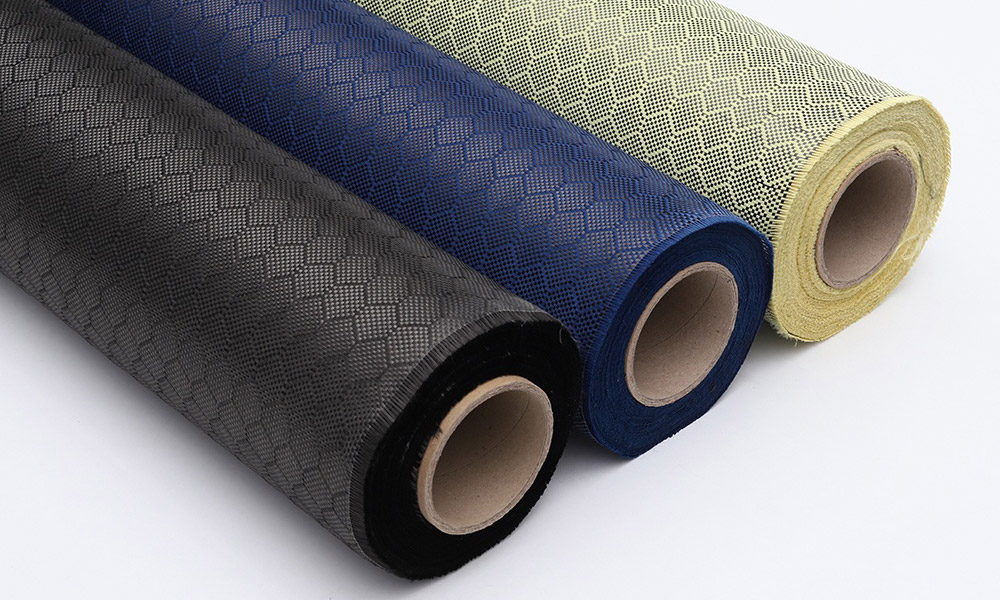
The weaving process of Jacquard fabric is what sets it apart from other woven textiles. It utilizes a Jacquard loom, which is equipped with a mechanism that controls each warp yarn individually. This individual control allows the loom to create complex patterns by lifting and lowering specific warp yarns in a precise sequence as the weft yarn is inserted. Unlike simpler looms that use a harness system to control groups of warp yarns, the Jacquard mechanism can handle thousands of individual warp yarns, enabling the creation of intricate designs such as floral motifs, geometric patterns, and even detailed images.
Modern Jacquard looms use computerized systems to program these patterns, making the process more efficient and allowing for greater design flexibility. The pattern is digitized and fed into the loom’s computer, which then controls the warp yarns to replicate the design accurately. This advanced technology has expanded the possibilities for Jacquard fabric, allowing for custom designs and quick pattern changes. The weaving process can be used with a wide range of fibers, including cotton, silk, wool, polyester, and even high-performance fibers, making Jacquard fabric highly versatile.
The performance traits of Jacquard fabric vary depending on the fiber composition but generally include excellent durability and structural integrity. The intricate weaving process creates a dense, tightly woven fabric that is resistant to wear and tear, making it suitable for high-use applications. This durability ensures that products made from Jacquard fabric maintain their appearance and structure over time, even with regular use. Additionally, Jacquard fabric has good dimensional stability, meaning it retains its shape and does not stretch or shrink excessively after washing or use, a key advantage for both clothing and home textiles.
Another performance trait is its aesthetic versatility. The ability to create complex patterns means that Jacquard fabric can be tailored to a wide range of design styles, from classic and elegant to modern and bold. It is available in various weights, from lightweight fabrics suitable for clothing to heavyweight fabrics ideal for upholstery and drapery. Depending on the fiber used, Jacquard fabric can also exhibit additional properties such as breathability (cotton and silk), warmth (wool), or wrinkle resistance (polyester blends), further enhancing its versatility.
The applications of Jacquard fabric are diverse, spanning fashion, home decor, and industrial uses. In the fashion industry, it is used for high-end clothing such as dresses, suits, blouses, and scarves, where its intricate patterns add a touch of luxury. It is also used for accessories like handbags and belts, elevating their visual appeal.
In home decor, Jacquard fabric is a popular choice for upholstery, curtains, drapes, bedspreads, and pillows. Its durability and aesthetic appeal make it suitable for enhancing the look of living spaces while withstanding daily use. The complex patterns can serve as focal points in a room, adding depth and visual interest to interior design. In industrial applications, Jacquard fabric made from high-performance fibers is used for technical textiles such as airbags, seat belts, and industrial filters, where the intricate weaving can be tailored to specific functional requirements.
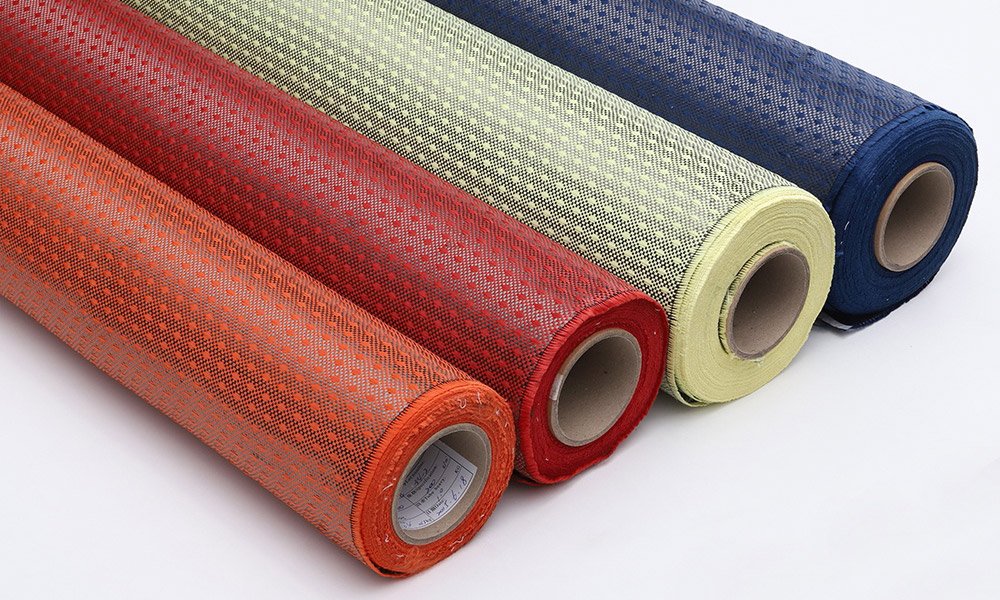
When selecting Jacquard fabric, it is important to consider the fiber composition, fabric weight, and pattern complexity based on the application. Proper care depends on the fibers used; for example, silk Jacquard may require dry cleaning, while cotton Jacquard can be machine washed. With its unique weaving process and versatile performance traits, Jacquard fabric remains a highly sought-after material for applications that demand both style and durability.
The weaving process of Jacquard fabric is what sets it apart from other woven textiles. It utilizes a Jacquard loom, which is equipped with a mechanism that controls each warp yarn individually. This individual control allows the loom to create complex patterns by lifting and lowering specific warp yarns in a precise sequence as the weft yarn is inserted. Unlike simpler looms that use a harness system to control groups of warp yarns, the Jacquard mechanism can handle thousands of individual warp yarns, enabling the creation of intricate designs such as floral motifs, geometric patterns, and even detailed images.
Modern Jacquard looms use computerized systems to program these patterns, making the process more efficient and allowing for greater design flexibility. The pattern is digitized and fed into the loom’s computer, which then controls the warp yarns to replicate the design accurately. This advanced technology has expanded the possibilities for Jacquard fabric, allowing for custom designs and quick pattern changes. The weaving process can be used with a wide range of fibers, including cotton, silk, wool, polyester, and even high-performance fibers like carbon fiber, making Jacquard fabric highly versatile.
The performance traits of Jacquard fabric vary depending on the fiber composition but generally include excellent durability and structural integrity. The intricate weaving process creates a dense, tightly woven fabric that is resistant to wear and tear, making it suitable for high-use applications. Additionally, Jacquard fabric has good dimensional stability, meaning it retains its shape and does not stretch or shrink excessively after washing or use.
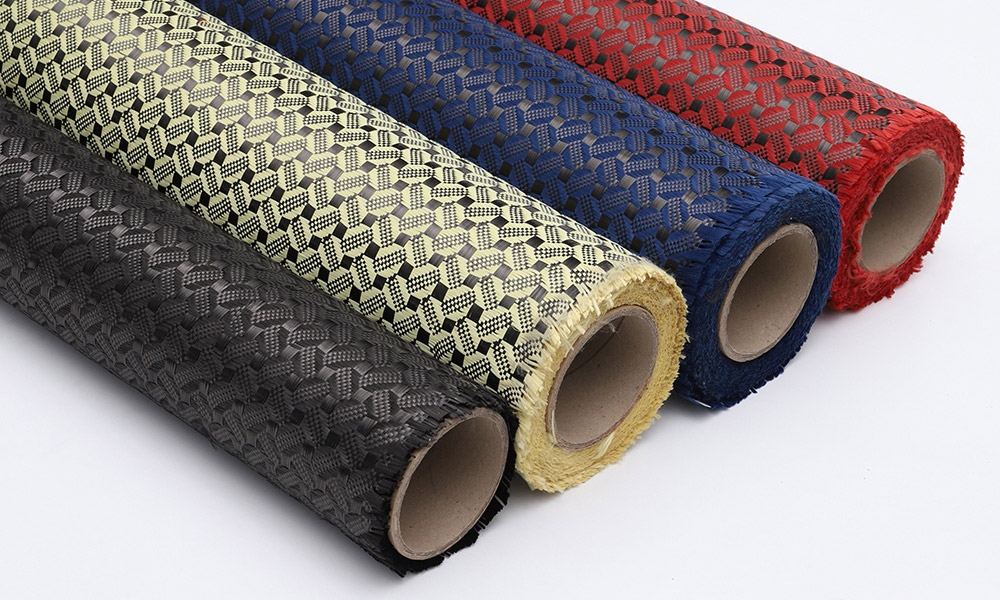
Another performance trait is its aesthetic versatility. The ability to create complex patterns means that Jacquard fabric can be tailored to a wide range of design styles, from classic and elegant to modern and bold. It is available in various weights, from lightweight fabrics suitable for clothing to heavyweight fabrics ideal for upholstery and drapery. Depending on the fiber used, Jacquard fabric can also exhibit additional properties such as breathability (cotton and silk), warmth (wool), or wrinkle resistance (polyester blends).
The applications of Jacquard fabric are diverse, spanning fashion, home decor, and industrial uses. In the fashion industry, it is used for high-end clothing such as dresses, suits, blouses, and scarves, where its intricate patterns add a touch of luxury. It is also used for accessories like handbags and belts.
In home decor, Jacquard fabric is a popular choice for upholstery, curtains, drapes, bedspreads, and pillows. Its durability and aesthetic appeal make it suitable for enhancing the look of living spaces while withstanding daily use. In industrial applications, Jacquard fabric made from high-performance fibers is used for technical textiles such as airbags, seat belts, and industrial filters, where the intricate weaving can be tailored to specific functional requirements.
When selecting Jacquard fabric, it is important to consider the fiber composition, fabric weight, and pattern complexity based on the application. Proper care depends on the fibers used; for example, silk Jacquard may require dry cleaning, while cotton Jacquard can be machine washed. With its unique weaving process and versatile performance traits, Jacquard fabric remains a highly sought-after material for applications that demand both style and durability.

 German
  English
  French
  Portuguese
  Japanese
  Russian
  Italian
  Spanish
  Arabic