
Carbon fiber-reinforced polymers (CFRPs) have found widespread adoption across diverse industrial sectors, thanks to their inherent properties of being lightweight, high-strength, and long-lasting. In recent years, the medical device industry has also embarked on exploring the integration of CFRPs into the design and manufacturing of medical equipment—encompassing prosthetics, implants, and surgical instruments.
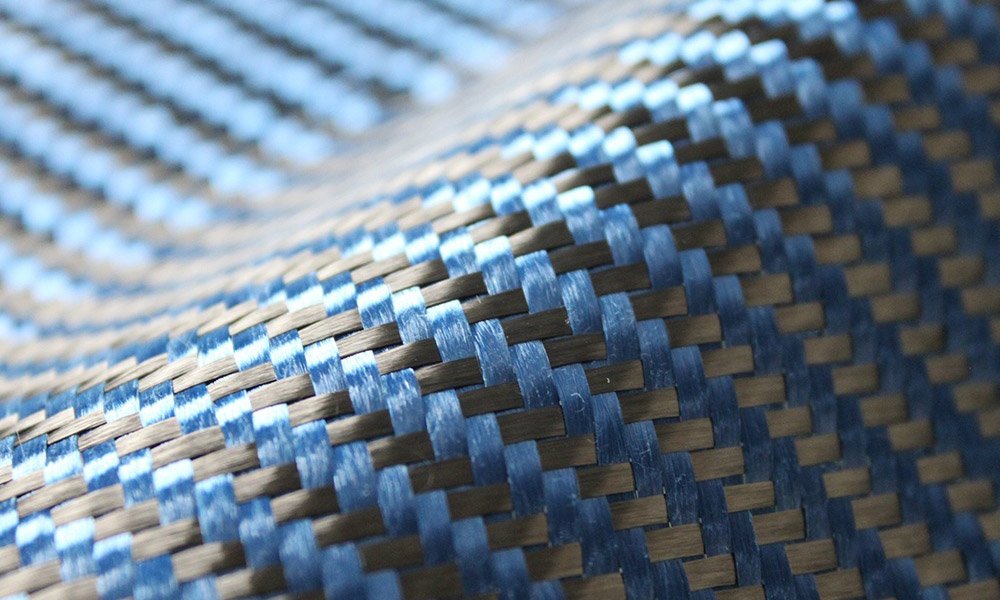
A key benefit of CFRPs in medical applications lies in their biocompatibility. These composite materials can be surface-treated with biocompatible coatings to boost their compatibility with human tissues, positioning them as a preferred choice for implants and prosthetic components. Additionally, CFRPs exhibit exceptional fatigue resistance, rendering them a robust and long-service-life material for medical devices that are subjected to repetitive mechanical stresses during use.
Moreover, the incorporation of CFRPs can substantially enhance the functionality and design flexibility of medical equipment. Owing to their superior strength-to-weight ratio, CFRPs enable the development of more lightweight and compact surgical tools, which in turn facilitate greater precision and operational control for surgeons during procedures. When applied to prosthetic limbs, CFRPs also contribute to improved mobility and flexibility, thereby enhancing the daily living experience of amputees.
In summary, the application of CFRPs in the medical device industry holds considerable potential for elevating patient care quality and driving advancements in medical technology. As research and development efforts in this domain continue to progress, we can anticipate the emergence of even more innovative CFRP-based solutions in the medical field in the years to come.



 German
  English
  French
  Portuguese
  Japanese
  Russian
  Italian
  Spanish
  Arabic