
إتقان عملية لف خيوط ألياف الكربون للحصول على نتائج تصنيع مثالية
مقدمة
The carbon fibre filament winding process is a critical manufacturing technique used in various industries, including aerospace, automotive, and sports equipment. This method allows for the production of high-strength, lightweight components that meet stringent performance requirements. However, achieving optimal results in filament winding requires a deep understanding of the process and its variables. What are the key challenges faced in this process? How can manufacturers ensure consistent quality? What are the best practices for maximizing efficiency? This article explores these questions and more, providing valuable insights for those looking to master the carbon fibre filament winding process.
Understanding the Basics of Filament Winding
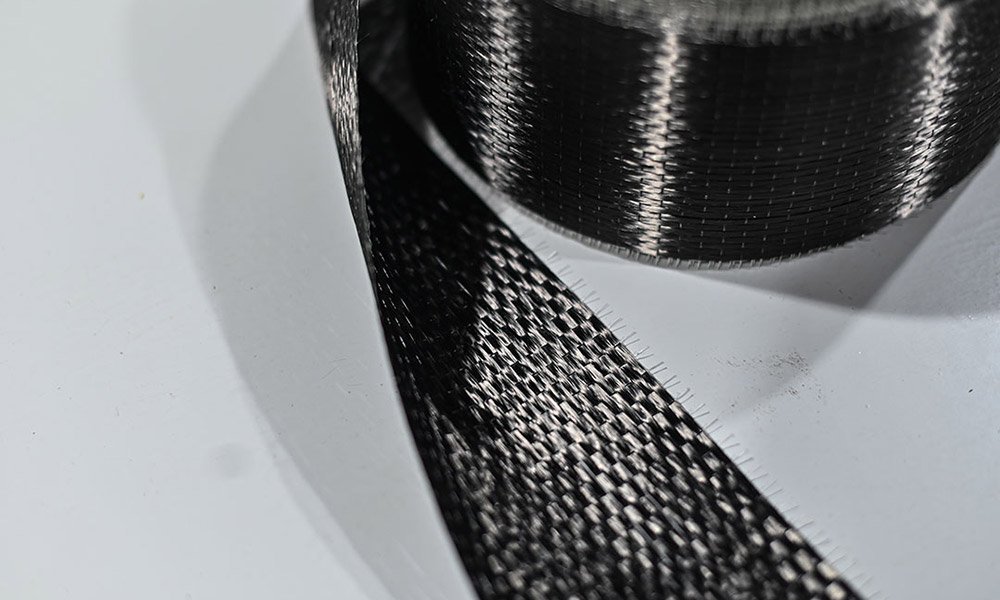
Before delving into the intricacies of the process, it’s essential to understand the fundamental principles. Filament winding involves the application of carbon fibre filaments to a mandrel, which is then impregnated with a resin or polymer. The result is a strong, lightweight composite component. But what factors influence the success of this process?
One critical aspect is the selection of the right materials. Carbon fibres come in various grades, each offering different properties such as tensile strength, stiffness, and thermal stability. The choice of resin also plays a significant role, as it must adequately bond with the fibres and provide protection against environmental factors. Additionally, the mandrel’s design and construction must be precise to ensure the final component meets its intended specifications.
Common Challenges in Filament Winding
Despite its advantages, the filament winding process is not without challenges. One common issue is achieving uniform fibre distribution. Inconsistent winding can lead to weak spots in the final product, compromising its structural integrity. How can manufacturers address this problem? Advanced control systems and automated winding machines can help ensure precise fibre placement.
Another challenge is managing the resin system. The resin must be properly mixed, applied, and cured to create a strong, durable composite. Issues such as air bubbles, resin bleed, and incomplete curing can all affect the quality of the final product. Manufacturers must carefully control parameters such as temperature, humidity, and curing time to mitigate these issues.
Best Practices for Optimal Results
To achieve optimal manufacturing results, several best practices should be followed. First, it’s crucial to conduct thorough process validation. This involves testing different variables, such as fibre tension, resin viscosity, and curing conditions, to determine the optimal settings for each specific application. Sharing insights and experiences with industry peers can also provide valuable guidance.
Second, investing in high-quality equipment is essential. Modern filament winding machines offer advanced features such as real-time monitoring and automated adjustments, which can significantly improve process control. Additionally, regular maintenance and calibration of equipment ensure consistent performance and reduce the risk of errors.
The Role of Expertise and Training
Mastering the filament winding process requires a combination of technical expertise and practical experience. Training programs should be designed to cover both theoretical knowledge and hands-on skills. Employees should be familiar with the latest advancements in the field, including new materials and technologies. Sharing knowledge within the team fosters a culture of continuous improvement and innovation.
الخاتمة
The carbon fibre filament winding process is a complex yet highly rewarding manufacturing technique. By understanding the key challenges and adopting best practices, manufacturers can achieve optimal results and produce high-performance composite components. Investing in quality materials, advanced equipment, and comprehensive training are essential steps toward mastering this process. As the demand for lightweight, strong materials continues to grow, the importance of mastering the filament winding process will only increase.







 Arabic
  English
  German
  French
  Portuguese
  Japanese
  Russian
  Italian
  Spanish