
استكشاف فوائد ألياف الكربون المستندة إلى ألياف الكربون في التصنيع الحديث
In modern manufacturing, the demand for lightweight, high-strength materials has driven innovation across various industries, from aerospace to automotive. Among these advanced materials, pitch-based carbon fibre has emerged as a frontrunner due to its exceptional properties. But what exactly makes pitch-based carbon fibre stand out? How does it benefit modern manufacturing processes? And what challenges might manufacturers face when integrating this material into their production lines? Let’s delve deeper into these questions.
What Is Pitch-Based Carbon Fibre?
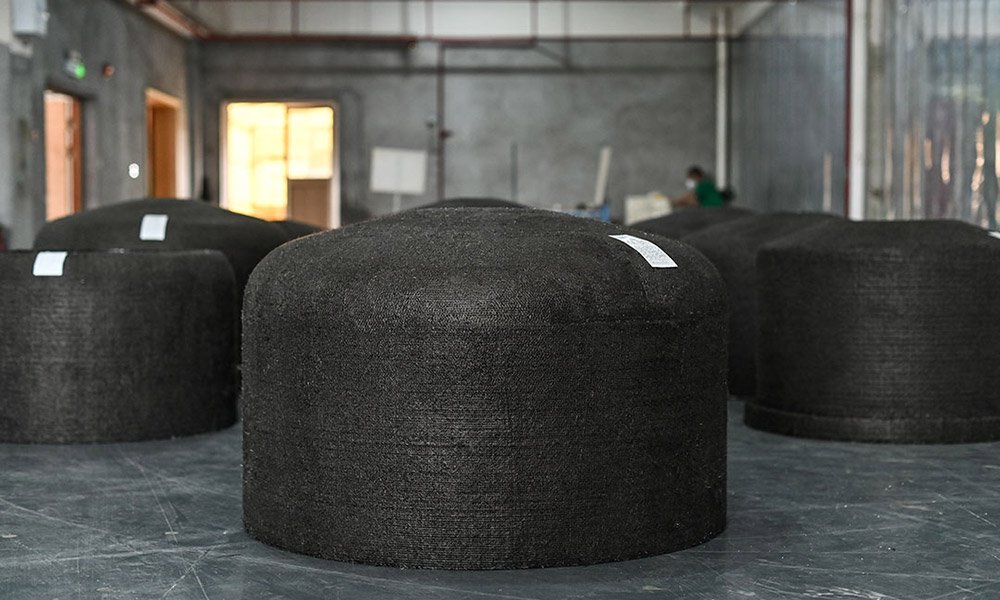
Pitch-based carbon fibre is a type of carbon fibre derived from pitch, a tar-like substance that is carbonized at high temperatures. Unlike traditional carbon fibres made from petroleum-based precursors, pitch-based carbon fibres offer unique advantages in terms of cost-effectiveness, thermal stability, and mechanical strength. This makes them particularly suitable for applications requiring high-performance materials at a more accessible price point.
Key Benefits of Pitch-Based Carbon Fibre
1. نسبة قوة إلى وزن عالية
One of the most significant advantages of pitch-based carbon fibre is its superior strength-to-weight ratio. This property allows manufacturers to create lighter, yet stronger components, which is crucial in industries like aerospace and automotive. For example, using pitch-based carbon fibre in aircraft can reduce fuel consumption and increase payload capacity.
2. ثبات حراري ممتاز
Pitch-based carbon fibres exhibit exceptional thermal stability, making them ideal for high-temperature applications. Whether it’s engine components in automotive manufacturing or heat-resistant structures in industrial processes, this material maintains its integrity even under extreme conditions.
3. الفعالية من حيث التكلفة
Compared to traditional carbon fibres, pitch-based carbon fibres are often more affordable due to the availability of raw materials and simpler production processes. This cost efficiency allows manufacturers to adopt advanced materials without significantly increasing their budgets.
4. Enhanced Electrical and Thermal Conductivity
Pitch-based carbon fibres possess excellent electrical and thermal conductivity, making them suitable for applications in electronics, sensors, and energy storage systems. This property is particularly valuable in modern manufacturing, where efficiency and performance are paramount.
Challenges in Implementing Pitch-Based Carbon Fibre
Despite its benefits, integrating pitch-based carbon fibre into manufacturing processes isn’t without challenges. One major hurdle is the material’s limited availability compared to petroleum-based carbon fibres. Additionally, the production process requires precise control to ensure consistent quality, which can be complex for new manufacturers.
Another concern is the material’s environmental impact. While pitch-based carbon fibres are more sustainable than some alternatives, their production still involves energy-intensive processes. Manufacturers must balance performance benefits with environmental considerations.
مشاركة الرؤى مع الصناعة
For those looking to leverage pitch-based carbon fibre, collaboration and knowledge-sharing are key. Industry experts recommend exploring partnerships with suppliers who specialize in this material. Additionally, attending conferences and workshops focused on advanced materials can provide valuable insights into best practices and emerging trends.
As the manufacturing landscape evolves, pitch-based carbon fibre is poised to play a pivotal role in shaping the future of high-performance materials. By understanding its benefits and addressing its challenges, manufacturers can unlock new possibilities in their production processes.
In conclusion, pitch-based carbon fibre offers a compelling combination of strength, thermal stability, and cost-effectiveness, making it a game-changer for modern manufacturing. As the industry continues to innovate, this material will undoubtedly become even more integral to high-performance applications across various sectors.




 Arabic
  English
  German
  French
  Portuguese
  Japanese
  Russian
  Italian
  Spanish