
Carbon fiber drone products have reshaped the unmanned aerial vehicle (UAV) industry by offering a compelling mix of lightweight construction, structural integrity, and long-term reliability. As drones become increasingly integral to commercial, industrial, and recreational applications, the use of carbon fiber has become a defining factor in high-performance UAV systems. Understanding the features and advantages of carbon fiber drone products is essential for anyone looking to invest in or utilize advanced drone technology.
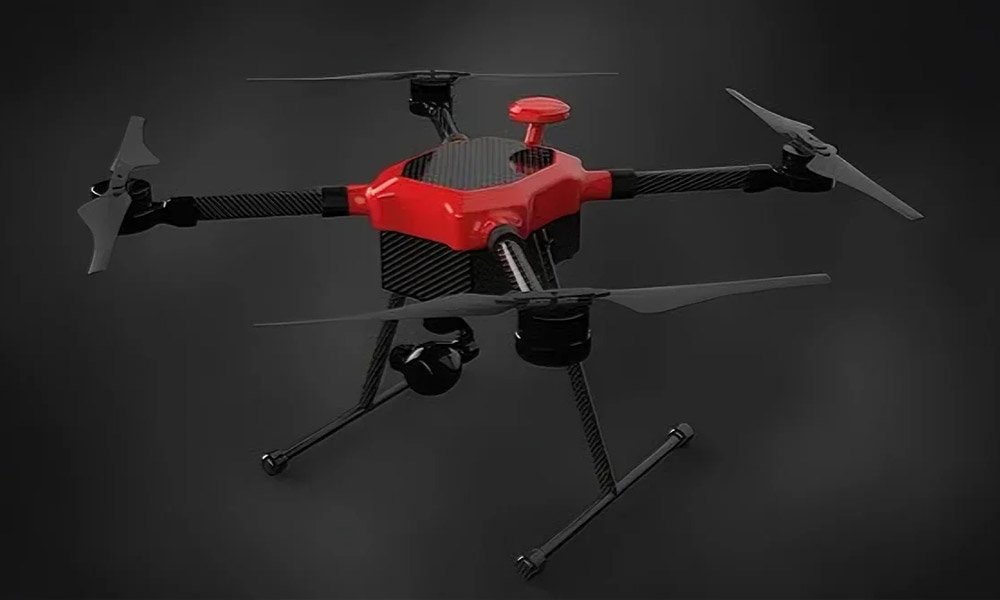
A core feature of carbon fiber drone products is their exceptional strength-to-weight ratio. Carbon fiber’s inherent properties allow drone manufacturers to create components that are significantly lighter than those made from traditional materials like plastic or aluminum, without sacrificing structural strength. This lightweight design directly translates to extended flight time—a critical advantage for both commercial operations, such as aerial photography, surveying, and delivery, and recreational use. By reducing the overall weight of the drone, the battery’s energy is used more efficiently, enabling longer missions and reducing the need for frequent recharging.
Another key feature is their rigidity and stability. Carbon fiber’s high stiffness minimizes flexing and vibration during flight, which enhances the drone’s maneuverability and precision. This stability is particularly important for applications that require steady footage, such as cinematography, or accurate data collection, like topographic mapping. Additionally, the rigidity of carbon fiber components helps maintain the drone’s aerodynamic shape, further improving flight efficiency and reducing drag.

Durability is another standout advantage of carbon fiber drone products. Carbon fiber is highly resistant to impact, abrasion, and corrosion, making drones better equipped to withstand the rigors of outdoor use. Whether flying in harsh weather conditions, navigating through tight spaces, or enduring minor collisions, carbon fiber drones are less likely to sustain damage compared to their traditional counterparts. This durability reduces maintenance costs and extends the lifespan of the drone, making it a more cost-effective investment over time.
Carbon fiber drone products also offer design flexibility. The material can be molded into complex shapes, allowing manufacturers to create sleek, aerodynamic designs that optimize performance. This flexibility enables the development of specialized drones for specific applications, such as compact drones for indoor use, heavy-lift drones for industrial payloads, or long-range drones for surveillance. Additionally, carbon fiber’s compatibility with various manufacturing processes allows for precise engineering of components, ensuring each part works seamlessly within the overall drone system.
The applications of carbon fiber drone products are diverse and continue to expand. In the commercial sector, they are used for aerial photography and videography, providing stable, high-quality footage for film, real estate, and events. Industrial applications include infrastructure inspection, where drones can access hard-to-reach areas like bridges, wind turbines, and power lines safely and efficiently. Agricultural uses include crop monitoring and spraying, where extended flight time allows for coverage of large farm areas. Recreational users benefit from the drones’ agility and durability, enjoying a more reliable and enjoyable flying experience.
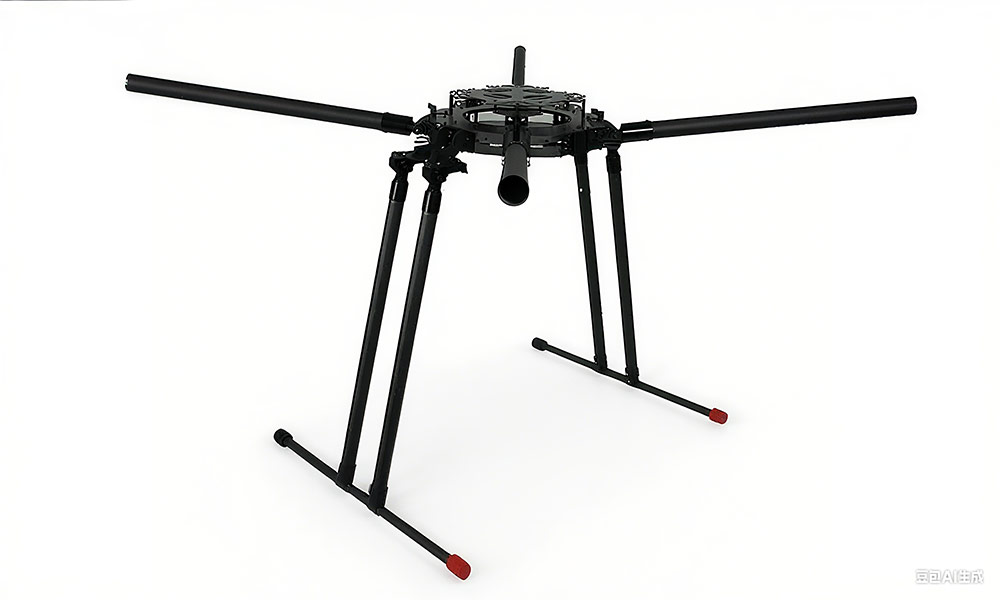
When considering carbon fiber drone products, it’s important to note that while they offer numerous advantages, they may come at a higher initial cost compared to drones made from traditional materials. However, the extended lifespan, reduced maintenance, and enhanced performance often justify this investment, especially for commercial and professional users. Additionally, proper care and handling, such as avoiding extreme temperatures and rough impacts, will help preserve the integrity of the carbon fiber components. With their exceptional features and advantages, carbon fiber drone products are setting a new standard for performance and reliability in the UAV industry.




 Arabic
  English
  German
  French
  Portuguese
  Japanese
  Russian
  Italian
  Spanish