
Basalt fiber fabric is an advanced material derived from natural basalt rock, offering a unique combination of sustainability, strength, and resistance to extreme conditions. As a mineral fiber, it stands out from synthetic alternatives due to its eco-friendly production process and exceptional performance attributes. For industries seeking durable, cost-effective, and sustainable materials, understanding basalt fiber fabric’s performance and applications is essential.
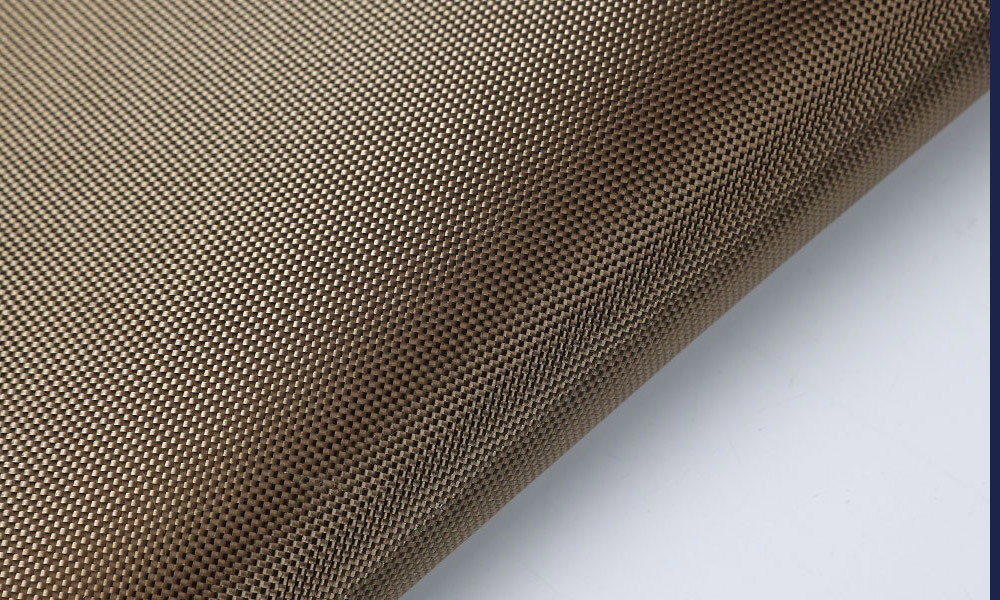
One of the primary performance characteristics of basalt fiber fabric is its high tensile strength. Comparable to glass fiber and even some carbon fiber materials, it provides reliable structural reinforcement while maintaining a lightweight profile. This strength makes it suitable for a range of load-bearing applications. Additionally, basalt fiber fabric exhibits excellent high-temperature resistance, withstanding temperatures up to 1,000 degrees Celsius without melting or losing significant strength. This property sets it apart from many synthetic fibers and makes it ideal for high-heat environments.
Another key advantage is its exceptional chemical resistance. It is resistant to most acids, alkalis, and solvents, making it suitable for use in corrosive environments where other materials would degrade. Basalt fiber fabric is also non-flammable and does not release toxic gases when exposed to fire, enhancing safety in critical applications. Furthermore, it has good UV resistance, maintaining its properties when exposed to sunlight for prolonged periods, which is a significant benefit for outdoor applications.
The applications of basalt fiber fabric span across multiple industries, driven by its performance and sustainability. In the construction industry, it is used for reinforcing concrete structures, such as bridges, tunnels, and buildings, as it improves structural integrity and extends the lifespan of these assets. It is also used in fire-resistant coatings and insulation materials for buildings and industrial facilities. In the automotive industry, basalt fiber fabric is utilized in interior components, body panels, and underbody shields, where its lightweight strength and heat resistance contribute to improved fuel efficiency and safety.
The aerospace industry uses it for insulation and structural components in aircraft, while the marine industry employs it for boat hulls, decks, and marine ropes, leveraging its resistance to water, salt, and UV radiation. Additionally, it finds applications in the industrial sector for filters, gaskets, and high-temperature seals. Unlike some synthetic fibers, basalt fiber is produced by melting natural basalt rock, a process that requires less energy than the production of carbon or aramid fibers, making it a more sustainable choice. When selecting basalt fiber fabric, factors such as weave density, thickness, and resin compatibility should be considered to ensure it meets the specific requirements of the application. With its unique combination of properties, basalt fiber fabric is a versatile material that continues to gain traction in various industries.

 Arabic
  English
  German
  French
  Portuguese
  Japanese
  Russian
  Italian
  Spanish