
Sports cars are renowned for their potent performance engines, streamlined aesthetics, and remarkable velocity. Yet another defining trait that distinguishes them from regular passenger vehicles lies in the adoption of carbon fiber composites during their manufacturing process.
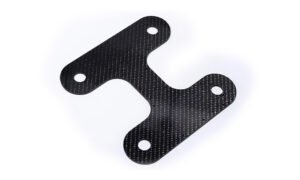
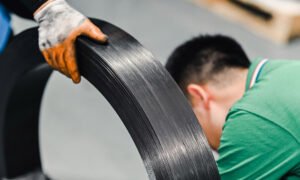
Carbon fiber is a high-tensile, low-weight composite material produced by interlacing carbon filaments into a fabric, which is subsequently bonded with a specialized resin. This unique composition renders it an optimal choice for sports cars, where even marginal weight savings can exert a substantial impact on both speed and maneuverability.

Beyond its weight-reduction benefits, carbon fiber also boasts exceptional sturdiness and longevity. This enables sports cars constructed with carbon fiber to endure high-speed driving and rigorous road conditions without compromising either performance capabilities or safety standards.
Additionally, the integration of carbon fiber in sports cars imparts an air of luxury and exclusivity. Such materials are closely linked to high-end, premium-priced vehicles, transforming them into emblems of affluence and prestige.
In essence, the utilization of carbon fiber in sports cars stands as a testament to advancements in materials science and engineering. It empowers the automotive industry to push the boundaries of what is achievable in terms of performance, speed, and design—ultimately delivering a more thrilling and immersive driving experience for enthusiasts across the globe.


 Arabic
  English
  German
  French
  Portuguese
  Japanese
  Russian
  Italian
  Spanish